
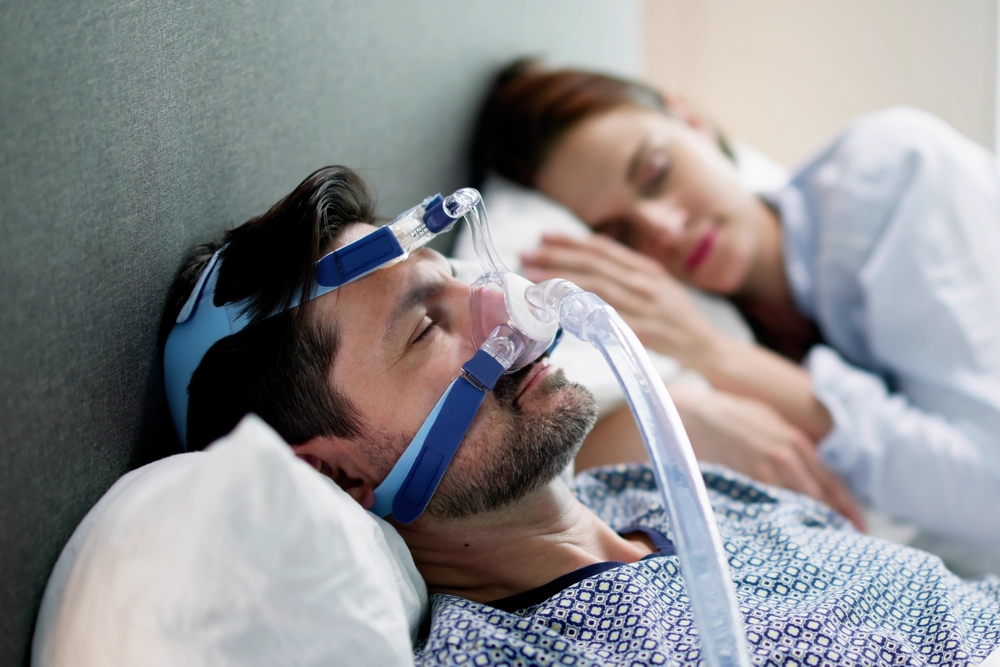
Sleep apnea is a common yet often underdiagnosed sleep disorder that can significantly impact overall health. At Delaire Dental in New York, NY, Dr. Michael Lee and Dr. Arielle Scherz have observed how the effects of this condition extend beyond disrupted sleep patterns, influencing oral health in ways many patients might not realize. Understanding this connection is essential for identifying potential complications early and maintaining both oral and systemic health.
Oral health is closely linked to the body’s overall physiology, and sleep apnea introduces several factors that can exacerbate dental problems. From dry mouth to increased risk of gum disease, the implications of untreated sleep apnea can be extensive. Recognizing the signs and understanding the consequences can help individuals take proactive steps toward healthier oral hygiene and improved quality of life.
The Role of Dry Mouth in Sleep Apnea
One of the most common oral manifestations of sleep apnea is xerostomia, or dry mouth. People with sleep apnea often breathe through their mouths while sleeping, which reduces saliva production and causes chronic dryness. Saliva plays a critical role in protecting teeth from decay, neutralizing acids, and maintaining a healthy balance of oral bacteria. Without sufficient saliva, individuals may experience increased tooth decay, oral infections, and discomfort while eating or speaking.
Additionally, dry mouth can lead to bad breath and a higher susceptibility to plaque buildup. Over time, this can exacerbate more serious dental issues, including cavities and gum inflammation. The chronic nature of mouth breathing in sleep apnea patients means these risks are ongoing unless addressed through hydration, oral care, or other targeted interventions.
Gum Disease and Inflammation Risks
Sleep apnea has been associated with an increased risk of periodontal disease due to the chronic inflammatory response it can trigger in the body. Repeated episodes of low oxygen levels during sleep cause systemic inflammation, which not only affects cardiovascular health but also contributes to gum disease. Inflammation in the gums can lead to bleeding, tenderness, and eventual loss of tooth-supporting structures if left untreated.
Moreover, research has suggested that sleep apnea may worsen existing periodontal conditions. Patients with severe gum disease may experience compounded complications as the inflammatory cycle continues. Early recognition of sleep apnea symptoms and maintaining rigorous oral hygiene routines are key strategies to reduce the risk of severe periodontal problems.
Tooth Wear and Jaw-Related Complications
Another important oral health concern for sleep apnea patients is tooth wear caused by bruxism, or teeth grinding, which is often linked to sleep disorders. Chronic grinding can wear down enamel, increase tooth sensitivity, and lead to fractures or cracks. The stress and tension associated with interrupted sleep may exacerbate jaw clenching during the night, further increasing the risk of long-term dental damage.
Temporomandibular joint (TMJ) disorders may also emerge in individuals with untreated sleep apnea. Jaw pain, headaches, and difficulty chewing can result from the strain caused by repeated nocturnal clenching. Recognizing these symptoms early can help mitigate irreversible damage to teeth and the jaw joint.
Preventive Measures and Awareness
Although sleep apnea presents significant risks to oral health, there are ways to mitigate these effects. Patients are encouraged to maintain diligent oral hygiene practices, including regular brushing, flossing, and dental checkups. Using a humidifier, staying hydrated, and monitoring for signs of dry mouth can also help reduce complications.
Additionally, awareness of the systemic impact of sleep apnea is critical. Understanding that disrupted sleep affects not only energy levels but also oral and overall health can motivate patients to seek evaluation and management for the condition. Recognizing the link between sleep apnea and oral health empowers individuals to take preventative measures before serious damage occurs.
Prioritizing Oral Health Amid Sleep Apnea
Sleep apnea is more than a nighttime nuisance—it has profound implications for oral health, from dry mouth and gum disease to tooth wear and jaw complications. At Delaire Dental in New York, NY, Dr. Michael Lee and Dr. Arielle Scherz emphasize the importance of understanding these connections to maintain long-term dental wellness. By remaining vigilant and proactive, patients can protect their oral health while addressing the broader impacts of sleep apnea.
Resources:
- Gami, A. S., et al. (2004). Sleep apnea and cardiovascular disease. American Journal of Respiratory and Critical Care Medicine.
- Chan, A. K., et al. (2017). Association between obstructive sleep apnea and periodontal disease: A systematic review. Journal of Periodontology.
- De Stefano, G., et al. (2016). Oral health complications in patients with sleep disorders. Sleep Medicine Reviews.