
For patients missing teeth in the upper back jaw, dental implants can seem out of reach due to limited bone height. At Delaire Dental in New York, NY, Dr. Michael Lee offers advanced sinus lift procedures to increase bone volume in the posterior maxilla, making implants possible and long-lasting. With dual specialization in periodontics and prosthodontics, our doctors provide high-quality, precise sinus augmentation that blends surgical skill with compassionate care. Whether you’ve been told you lack the bone for implants or have experienced long-term upper jawbone loss, a sinus lift may be the key to restoring your smile.
Why Sinus Augmentation Matters to Medical and Dental Care Teams
Sinus lift surgery plays a critical role in implant-based rehabilitation for edentulous or partially edentulous patients in the upper jaw. Without sufficient bone height beneath the maxillary sinus, implants cannot be securely placed, leading to higher failure rates and complications. For healthcare providers managing patients with osteoporosis, chronic sinus conditions, or prior facial trauma, understanding the impact of maxillary bone loss is essential. Sinus lifts provide structural integrity and open the door to safe, stable implant placement, which supports better nutrition, speech function, and oral-systemic health. In collaborative treatment planning, sinus augmentation serves as a bridge between surgical restoration and comprehensive medical wellness.
Signs You May Need a Sinus Lift Before Dental Implants
- Missing upper molars or premolars
- Diagnosed with insufficient bone height in the upper jaw
- History of periodontal disease or bone loss in the maxilla
- Previous extractions in the upper back teeth region
- Difficulty securing or maintaining dental implants in the upper jaw
- Sinus cavity located too close to the alveolar ridge
- CT scans show inadequate vertical space for implant posts
Why Sinus Lifts Are Critical for Successful Implant Outcomes
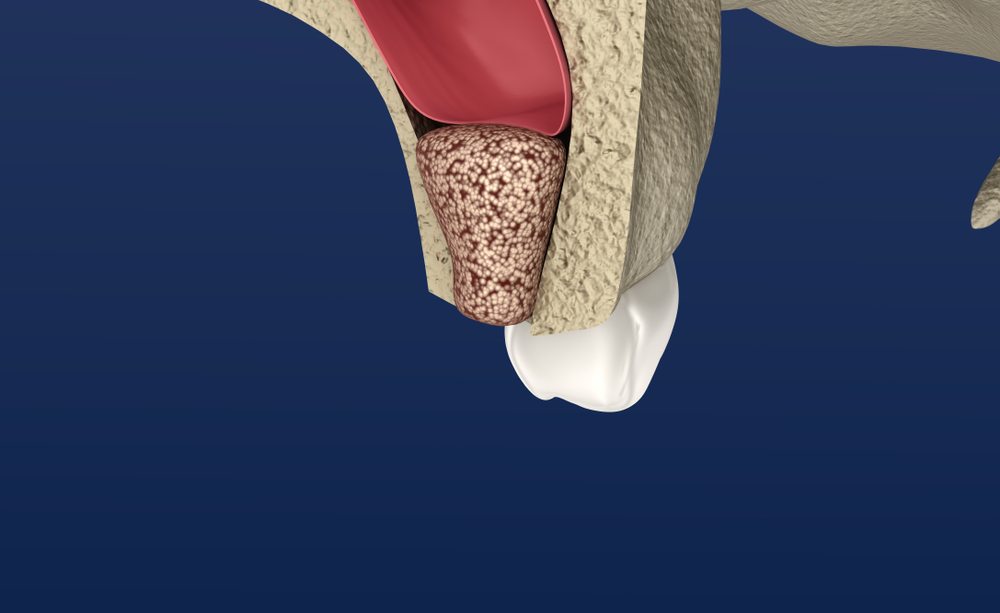
The maxillary sinus is a hollow cavity located above your upper back teeth. When these teeth are lost, the bone in that region quickly begins to resorb. Over time, the sinus floor expands downward, reducing the vertical bone available for implant placement. Placing an implant without adequate bone support in this area risks sinus perforation, poor integration, or complete implant failure. A sinus lift adds height to the bone by elevating the sinus membrane and placing a bone graft underneath it, creating a safe and sturdy environment for implants. This procedure is often the only way to restore function and stability in the posterior upper jaw for patients who’ve experienced bone loss from aging, trauma, or periodontal disease. By rebuilding the bone structure, we’re not just restoring teeth—we’re restoring function, facial balance, and overall quality of life.
What to Expect During the Sinus Lift Process
Sinus lift surgery is a carefully planned procedure designed to safely augment bone in the upper jaw. At Delaire Dental, we use cutting-edge imaging and minimally invasive techniques to deliver predictable, comfortable outcomes.
- Comprehensive Evaluation and 3D Imaging: We begin with digital X-rays and a cone-beam CT scan to measure existing bone height and determine sinus anatomy, identifying the most appropriate surgical approach.
- Surgical Planning and Graft Selection: Based on your needs, we choose the type of graft material—options include autogenous bone (your own), allograft (donor), or synthetic substitutes. We also assess the amount of lift required.
- Lifting the Sinus Membrane: Through a small opening in the bone, we gently elevate the sinus membrane without tearing it. This step is done with extreme precision to avoid complications.
- Placement of the Bone Graft: The graft material is carefully inserted into the space beneath the lifted membrane, increasing bone volume in the area where implants will be placed.
- Healing and Bone Integration: Over the next 4 to 9 months, the graft material integrates with your natural bone, forming a strong, stable base. Once healed, the site is ready for dental implant placement.
How to Help Prevent Bone Loss in the Upper Jaw
Preventing the need for a sinus lift starts with maintaining healthy, natural teeth for as long as possible. Proper oral hygiene, including twice-daily brushing, flossing, and routine dental visits, helps prevent gum disease and tooth loss—the two most common causes of jawbone deterioration. For patients at risk of upper jaw bone loss, early replacement of extracted teeth with implants or bone grafts can prevent sinus floor expansion. Avoiding smoking is critical, as tobacco use reduces bone density and impairs healing. Addressing sinus infections or chronic allergies with a medical provider can also preserve the health of the sinus cavity, minimizing anatomical changes that can complicate future procedures. When tooth loss does occur, timely evaluation for bone preservation techniques helps reduce the need for extensive sinus augmentation later.
What Patients Can Expect After a Sinus Lift
After a sinus lift, patients often report a significant improvement in their ability to receive and retain dental implants. With a restored foundation of bone, the upper jaw becomes capable of supporting long-term prosthetics that feel and function like natural teeth. Sinus augmentation also stabilizes the midface, preventing the sunken appearance that can occur from maxillary bone collapse. Most patients heal well with minimal discomfort, and the restored bone structure allows for implant placement with high success rates. Once implants are in place, patients enjoy enhanced chewing ability, speech clarity, and renewed self-confidence. With proper oral hygiene and ongoing dental maintenance, the benefits of a sinus lift can last for decades and dramatically improve quality of life.
Frequently Asked Questions
Is a sinus lift painful?
The procedure is done under local anesthesia with optional sedation, making it comfortable for most patients. Post-operative discomfort is typically mild and manageable with medication.
How long do I need to wait before getting implants?
Healing usually takes between 4 to 9 months, depending on the graft material and your body’s healing response. After integration, your implant treatment can safely proceed.
Are there risks involved with a sinus lift?
As with any surgery, there are minor risks, including sinus membrane perforation or infection, but these are rare. Our team uses advanced techniques to minimize complications.
Will insurance cover a sinus lift procedure?
Some dental insurance plans may cover all or part of the procedure if it is medically necessary for implant placement. Our office can assist with insurance verification and cost estimates.
Can I have a sinus lift and implant placed at the same time?
In some cases, yes—especially if there’s enough remaining bone for initial stability. We’ll assess this during your evaluation and determine the safest approach.
Am I a candidate for sinus or ridge augmentation?
You may be a candidate for a sinus or ridge augmentation if you have been denied dental implants in the past due to inadequate supporting tissues. You may also qualify if your receded gum line is a source of insecurity or embarrassment. To find out more about sinus and ridge augmentations and whether you qualify, contact your dentist for a consultation today.
What should I expect during a sinus or ridge augmentation?
Ridge augmentations begin with the administration of a local anesthetic used to numb treatment areas and prevent pain. Graft material will then be placed into the tooth socket where the missing tooth once was. Your dentist will then pull surrounding gum tissue over the graft material and suture it shut. Sinus lift augmentations are similar, except your dentist will instead make an incision to expose the sinus floor and use hard graft materials to build up the sinus floor. The site will be sutured shut and allowed time to heal before additional treatments, such as a dental implant, are completed.
Will I need to follow any special instructions following my procedure?
It is normal to experience some swelling and discomfort following your procedure though these symptoms should subside within a few days.
Restore Structure and Confidence with Sinus Lift Surgery
At Delaire Dental, we believe every patient deserves the chance to restore their smile—even when bone loss has made it more complex. Our team offers advanced sinus lift procedures that make upper jaw implants possible for patients who may have been told otherwise. If you’re considering dental implants in the upper jaw or have been advised that you lack the bone support for treatment, schedule a consultation with Dr. Michael Lee. Serving New York, NY and surrounding communities, we’re committed to helping you rebuild your foundation with skill, care, and results you can count on.
Ridge and sinus augmentations are surgical dental procedures used to fill in areas of the gum line and underlying bone that have deteriorated as a result of tooth loss or extraction. Specifically, a ridge augmentation refers to the reconstruction of degenerated or underdeveloped gums, and a sinus augmentation refers to an enhancement of the amount and consistency of the maxillary jaw bone by lifting the sinus floor and grafting bone into the jaw line. These state of the art procedures are capable of restoring a natural appearance to, as well as making it possible for some patients to qualify for dental implants.
Did you know…
that tooth loss is not the only reason for getting a ridge or sinus augmentation? Many patients have deteriorated gum lines or inadequate jaw bone support caused by oral diseases, such as periodontal disease, or a physical trauma to the face. Others experience bone atrophy caused by prolonged denture wear. By grafting in bone and building up the gum line, a dentist can make it possible for a patient’s jaw and gums to support permanent dental implants.