
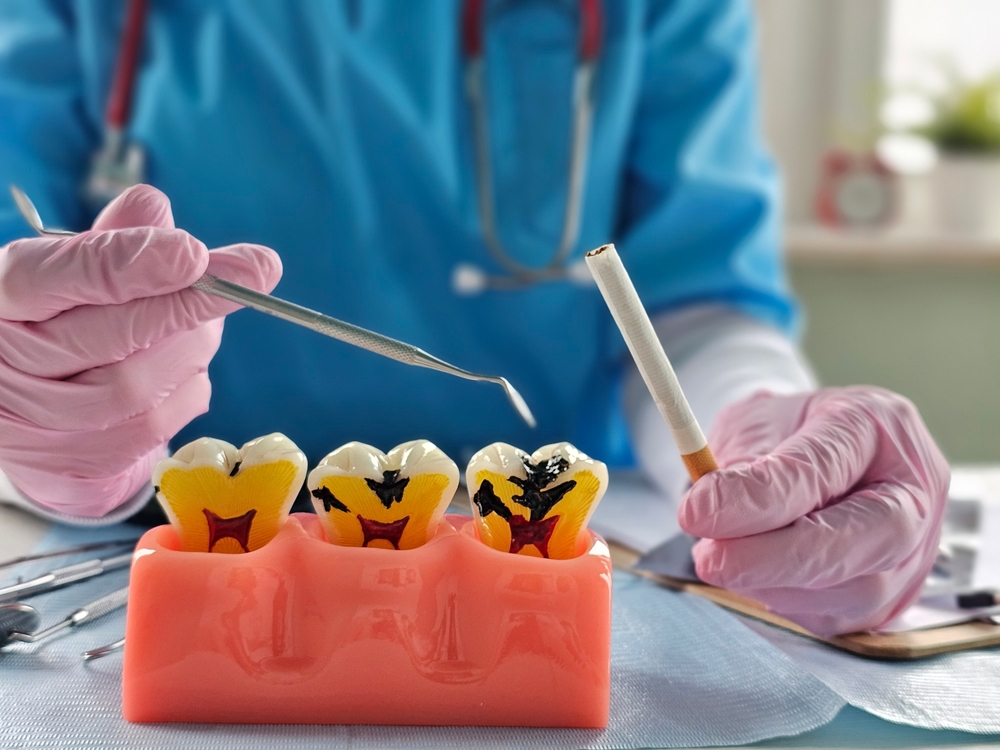
Understanding the impact of smoking and tobacco use on oral health is crucial for anyone concerned about maintaining healthy teeth and gums. At Delaire Dental in New York, NY, Dr. Michael Lee and Dr. Arielle Scherz emphasize that smoking is not only harmful to your overall health but can cause severe dental problems that may be difficult to reverse. Tobacco contains numerous chemicals that contribute to oral diseases, and the consequences of habitual use can range from cosmetic issues to serious medical conditions. By exploring the ways smoking affects oral tissues, patients can better understand the importance of prevention and early intervention.
Staining and Discoloration of Teeth
One of the most visible effects of smoking is staining and discoloration of the teeth. Tobacco contains tar and nicotine, which are highly pigmented compounds that easily adhere to the enamel. Over time, repeated exposure can cause teeth to yellow or even develop brown spots, diminishing the natural brightness of the smile. This discoloration is often difficult to remove with regular brushing alone, requiring professional dental cleaning or whitening treatments to restore a healthier appearance.
The impact of staining goes beyond aesthetics. Discolored teeth can indicate a buildup of plaque and tartar, creating an environment where bacteria thrive. As these substances accumulate, they can lead to more serious issues, including cavities and gum disease. Smokers may also experience a higher frequency of bad breath due to the lingering chemicals from tobacco, which combine with bacterial growth in the mouth.
Gum Disease and Periodontal Problems
Smoking is a leading risk factor for gum disease, also known as periodontal disease. The chemicals in tobacco impair blood flow to the gums, which reduces their ability to fight infection. This decreased immune response allows bacteria to damage gum tissue and supporting bone structure more rapidly. Smokers are therefore more likely to experience gum recession, bleeding, swelling, and tenderness than non-smokers.
In addition, periodontal disease caused by tobacco use can progress silently. Early-stage gingivitis may go unnoticed because tobacco reduces gum inflammation and bleeding, masking the condition. When the disease advances, it can result in severe bone loss, tooth mobility, and even tooth loss. Research indicates that smokers are twice as likely to suffer from advanced gum disease compared to non-smokers, highlighting the importance of understanding tobacco’s impact on oral health.
Increased Risk of Oral Cancer
Tobacco use is a well-known risk factor for oral cancer. The carcinogenic compounds in cigarettes and smokeless tobacco can damage the cells in the mouth, leading to mutations that may develop into cancerous growths. These cancers can appear on the lips, tongue, cheeks, or throat and are often detected at more advanced stages in smokers due to delayed symptoms.
Symptoms of oral cancer may include persistent sores, lumps, difficulty swallowing, and changes in tongue or mouth tissue. Early detection significantly improves treatment outcomes, making awareness and regular dental checkups critical. Smoking not only increases the likelihood of developing oral cancer but can also interfere with the body’s ability to heal after oral surgery or other treatments, complicating recovery and prognosis.
Other Dental Complications
Beyond staining, gum disease, and oral cancer, smoking contributes to several other dental complications. These include:
- Slower healing after dental procedures, such as tooth extractions or implant placement
- Higher risk of cavities due to altered saliva production and changes in oral pH
- Increased likelihood of infections in the mouth and throat
Tobacco use can also exacerbate existing dental conditions, making them more difficult to treat. By reducing saliva production, smoking decreases the mouth’s natural defense against bacteria and acids that erode enamel, creating a higher probability of decay and tooth sensitivity.
Smoking and tobacco use carry profound consequences for oral health. From visible tooth discoloration to life-threatening conditions like oral cancer, the effects are far-reaching and cumulative. At Delaire Dental in New York, NY, Dr. Michael Lee and Dr. Arielle Scherz stress the importance of awareness, early detection, and proactive care to minimize these risks. Understanding how tobacco impacts your teeth and gums can empower individuals to make informed choices for their oral and overall health.
Resources:
- Johnson, G. K., & Guthmiller, J. M. (2007). The impact of cigarette smoking on periodontal disease and treatment. Periodontology 2000.
- Tomar, S. L., & Asma, S. (2000). Smoking-attributable periodontitis in the United States: Findings from NHANES III. Journal of Periodontology.
- Warnakulasuriya, S. (2009). Global epidemiology of oral and oropharyngeal cancer. Oral Oncology.