
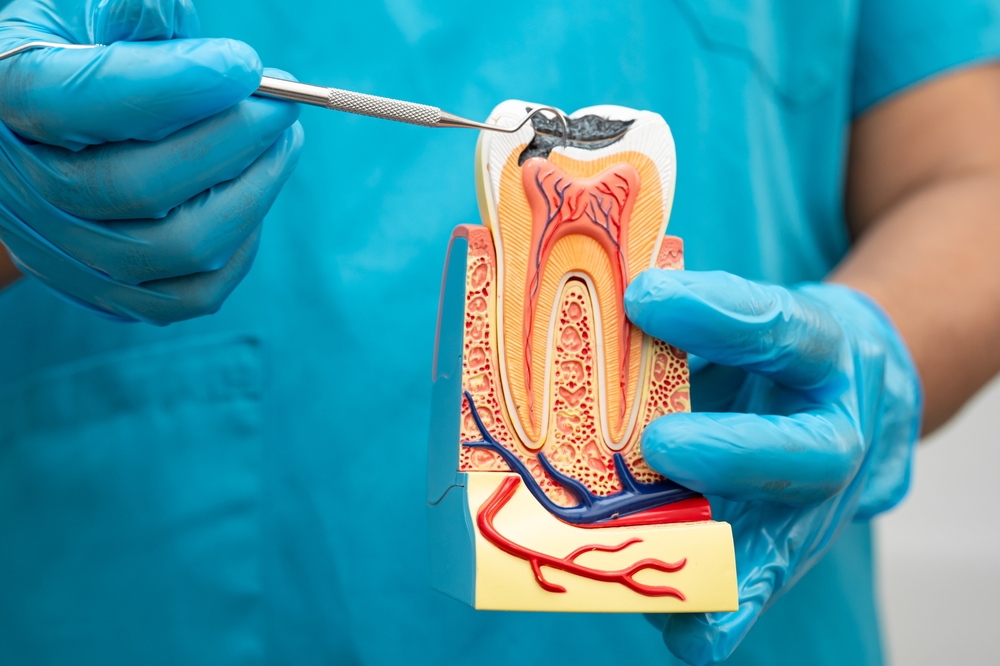
At Delaire Dental in New York, NY, patient education is just as important as treatment itself. Many people hear the phrase “root canal” and immediately associate it with fear or discomfort. In reality, root canal therapy is a safe, effective procedure that saves millions of teeth each year. Dr. Michael Lee and Dr. Arielle Scherz often remind patients that knowledge is the first step toward easing anxiety and making informed choices. Understanding why a root canal is performed, how it works, and what to expect afterward can help patients feel more confident and at ease.
Root canal therapy is not about causing pain but about relieving it. When the soft tissue inside a tooth, known as the pulp, becomes infected or inflamed, it can lead to severe discomfort. Left untreated, the infection can spread, damage surrounding bone, or even cause tooth loss. By removing the infected pulp and carefully sealing the tooth, dentists can preserve its structure and restore normal function. This makes the procedure not just a treatment, but a way of saving natural teeth for the long term.
Why Root Canals Are Necessary
The primary reason for needing a root canal is infection within the tooth’s pulp. The pulp contains blood vessels, connective tissue, and nerves that help the tooth develop during childhood. Once fully grown, a tooth can survive without pulp because it continues to receive nourishment from surrounding tissues. However, if bacteria invade the pulp chamber due to deep decay, cracks, or trauma, infection quickly follows.
Common signs that a root canal may be needed include persistent toothache, prolonged sensitivity to hot or cold, swelling of the gums near the tooth, or even the presence of a pimple-like bump on the gum. Sometimes, the tooth may darken due to damage within. It’s important to remember that not every painful tooth requires a root canal, but only a dental professional can determine the exact cause. By addressing these problems promptly, root canal treatment can prevent the need for extraction and maintain the integrity of the natural bite.
The Step-by-Step Process of a Root Canal
Understanding the steps of root canal therapy can reduce anxiety. The procedure typically takes one to two visits depending on the severity of the infection and the tooth’s complexity. Modern advances in dental technology, such as digital imaging and rotary instruments, allow the process to be efficient and more comfortable than ever.
The procedure usually involves:
- Diagnosis and anesthesia: X-rays confirm the infection, and local anesthesia ensures the area is numb.
- Cleaning and shaping: The dentist creates a small opening in the tooth to access the pulp, removes infected tissue, and shapes the root canals.
- Filling and sealing: A rubber-like material called gutta-percha fills the cleaned canals to prevent reinfection.
- Restoration: In most cases, a crown is placed later to restore strength and appearance.
While patients may experience mild soreness afterward, most report that the procedure itself feels no more uncomfortable than getting a filling.
Recovery and Aftercare
Healing after a root canal is typically smooth, but proper aftercare plays a vital role in long-term success. Mild tenderness is normal for a few days and can usually be managed with over-the-counter medication. Patients are advised to avoid chewing hard foods on the treated tooth until a permanent restoration, such as a crown, is placed. This ensures the tooth remains protected while healing.
It’s also essential to maintain excellent oral hygiene following the procedure. Brushing twice a day, flossing daily, and attending regular check-ups give the tooth the best chance of lasting for decades. In fact, with proper care, most teeth treated with root canal therapy function just like natural teeth. By addressing infection promptly and following recovery guidelines, patients can return to daily activities quickly and comfortably.
Myths and Facts About Root Canals
Despite advances in dentistry, myths about root canals still cause fear for many patients. One common misconception is that the treatment is painful. In truth, the discomfort comes from the infection, not the procedure. Modern anesthesia and techniques make root canals no more uncomfortable than standard dental fillings.
Another myth is that extraction is a better solution. While removing a tooth may seem like an easy option, it often leads to additional procedures such as bridges, implants, or dentures to restore chewing function. These alternatives are usually more costly and invasive. Saving the natural tooth through a root canal is almost always the healthier choice when possible. By understanding the facts, patients can make confident, informed decisions about their oral health.
Conclusion
Root canal treatment is a reliable and effective way to save natural teeth from infection and damage. At Delaire Dental in New York, NY, patients are encouraged to view this procedure as a solution that restores comfort and prevents further complications. By recognizing the importance of timely treatment and learning the facts, individuals can overcome fear and protect their oral health for the future. As Dr. Michael Lee and Dr. Arielle Scherz emphasize, patient education is a powerful tool in achieving lasting dental wellness.
References
American Association of Endodontists. (2023). Root Canal Treatment Explained. Journal of Endodontics.
Siqueira, J. F., & Rôças, I. N. (2009). Clinical Implications and Microbiology of Root Canal Infections. Endodontic Topics.
Ng, Y. L., Mann, V., & Gulabivala, K. (2011). Outcome of Secondary Root Canal Treatment: A Systematic Review. International Endodontic Journal.