
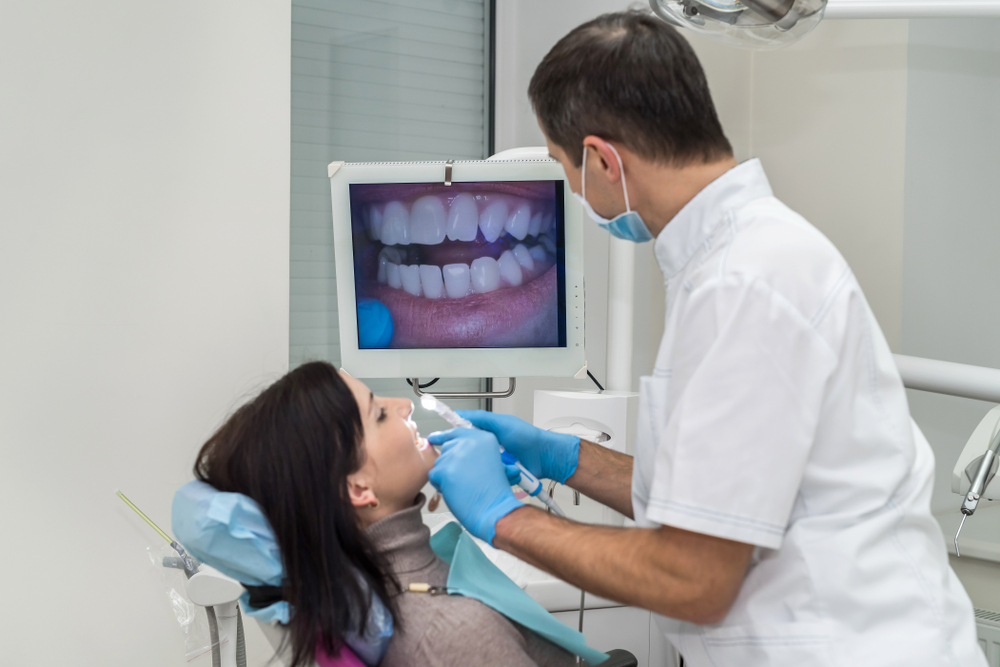
At Delaire Dental in New York, NY, Dr. Michael Lee and Dr. Arielle Scherz have observed the transformative role that intraoral cameras play in modern dentistry. Over the past decade, these compact imaging devices have redefined the way dental professionals evaluate oral health. Intraoral cameras allow dentists to capture high-resolution images of a patient’s teeth, gums, and other oral structures, offering a level of detail that traditional visual examinations cannot achieve. This advancement has changed not only the diagnostic process but also the way patients understand and engage with their oral health.
Intraoral cameras are equipped with tiny lenses and LED lights that can fit comfortably inside a patient’s mouth, providing clear and magnified images of even hard-to-see areas. These devices enable dental professionals to identify issues such as early-stage cavities, cracked teeth, gum disease, and plaque accumulation before they develop into more serious problems. With instant imaging capabilities, intraoral cameras make examinations faster, more precise, and more comprehensive.
By integrating intraoral camera technology into dental practice, clinicians can also improve communication with patients. Patients are able to see real-time images of their own teeth and gums on a monitor, allowing them to better understand diagnoses, treatment options, and preventive care recommendations. This visual approach fosters patient education and encourages proactive oral health management.
Technological Features of Intraoral Cameras
High-Resolution Imaging
One of the most notable advancements in intraoral cameras is their ability to capture high-resolution images with remarkable clarity. These images allow dentists to observe fine details such as enamel cracks, early decay, and subtle gum inflammation that might otherwise go unnoticed. High-definition imaging also supports accurate documentation, enabling dental professionals to monitor changes in oral health over time and evaluate the effectiveness of treatments.
Enhanced Patient Education
Intraoral cameras facilitate more interactive patient education. By displaying live images on a screen, dentists can visually explain areas of concern and recommended procedures. This approach helps patients make informed decisions about their care and encourages adherence to preventive strategies such as improved brushing and flossing techniques. Patients often report feeling more confident and involved in their treatment when they can see the condition of their teeth and gums firsthand.
Integration with Digital Records
Modern intraoral cameras can easily integrate with electronic health records (EHR), allowing images to be stored digitally and accessed during future visits. This feature streamlines workflow, reduces paperwork, and ensures continuity of care. Dentists can compare previous images with current ones to track the progression of conditions or evaluate the success of treatments. The ability to share these images securely with specialists also facilitates collaborative care for complex dental cases.
Advantages of Using Intraoral Cameras
The use of intraoral cameras offers a wide range of benefits that enhance both clinical precision and patient engagement. Key advantages include:
- Early detection of cavities, fractures, and gum disease
- Improved patient understanding and communication
- Enhanced documentation for treatment planning and monitoring
- Reduced need for exploratory procedures
- Easier collaboration with specialists through digital image sharing
Beyond these practical benefits, intraoral cameras also contribute to patient comfort. Traditional methods of inspection often involve prolonged probing or visual strain for both dentist and patient, whereas the camera provides a quick and minimally invasive way to examine oral structures. This can lead to a more pleasant and efficient dental experience for patients.
Future Developments in Intraoral Imaging
As dental technology continues to evolve, intraoral cameras are expected to become even more sophisticated. Emerging models are incorporating features such as 3D imaging, improved autofocus, and wireless connectivity. These advancements will provide more detailed anatomical views, simplify workflow, and increase mobility within dental practices. Artificial intelligence integration is also on the horizon, potentially allowing software to automatically detect areas of concern and provide preliminary analyses to support clinical decisions.
The future of intraoral cameras promises not only improved diagnostic accuracy but also greater patient engagement and collaboration. At Delaire Dental in New York, NY, Dr. Michael Lee and Dr. Arielle Scherz observe how these tools enhance understanding, promote preventive care, and empower patients to actively participate in maintaining their oral health. By combining innovation with education, intraoral cameras are reshaping the landscape of dental care.
Resources
Floyd, R. M., & Smith, A. J. (2016). Intraoral Cameras in Dentistry: Clinical Applications and Benefits. Journal of Clinical Dentistry.
Mei, L., & Wu, H. (2018). Digital Imaging in Modern Dental Practice. International Journal of Dentistry.
Bader, J. D., & Shugars, D. A. (2019). Advances in Diagnostic Imaging for Dental Care. Dental Clinics of North America.