
Delaire Dental often hears questions from patients in New York, NY who want clear, factual information about fluoride and its role in oral health. Fluoride has been widely discussed for decades, yet misinformation continues to circulate, leaving many people unsure about whether it is beneficial or safe. Understanding what fluoride is and how it works can help patients make informed decisions about their dental care.
Fluoride is a naturally occurring mineral found in water, soil, and certain foods. Its primary role in dentistry is to strengthen tooth enamel and reduce the risk of cavities. When used appropriately, fluoride is recognized by major health organizations worldwide as a safe and effective tool for maintaining oral health.
What Fluoride Does for Teeth
Strengthening Tooth Enamel
Tooth enamel is the hardest substance in the human body, but it is still vulnerable to acid attacks from bacteria and sugars. Fluoride works by enhancing the remineralization process, helping enamel repair itself after early stages of decay. This strengthened enamel becomes more resistant to acid, lowering the likelihood of cavities forming.
Fluoride also interferes with the ability of cavity-causing bacteria to produce acid. By reducing bacterial activity and reinforcing enamel, fluoride provides a dual protective effect that supports long-term dental health for both children and adults.
Lifelong Benefits of Fluoride
While fluoride is often associated with childhood dental care, its benefits extend throughout life. Adults continue to face risks such as enamel wear, gum recession, and dry mouth, all of which can increase cavity susceptibility. Fluoride helps protect exposed root surfaces and weakened enamel, making it a valuable preventive measure at every age.
Common Myths and Misconceptions
Addressing Safety Concerns
One of the most common concerns about fluoride involves its safety. Scientific research consistently shows that fluoride is safe when used at recommended levels. Community water fluoridation, in particular, is carefully regulated to ensure concentrations remain within a range that maximizes benefits while minimizing risks.
Excessive fluoride intake over long periods during early childhood can lead to dental fluorosis, a cosmetic condition that causes mild discoloration of enamel. However, this condition does not affect tooth function and is largely preventable with proper supervision of fluoride use during tooth development.
Fluoride and Overall Health
Some myths suggest fluoride negatively affects overall health, but large-scale studies have not supported these claims. Fluoride used in dental products and drinking water has not been shown to cause systemic illness when consumed at regulated levels. Understanding the difference between misinformation and evidence-based science is essential when evaluating fluoride-related claims.
Sources of Fluoride in Daily Life
Water and Dental Products
Fluoridated water is one of the most effective ways to deliver fluoride consistently across populations. It benefits individuals regardless of age, income, or access to dental care. Toothpaste and mouth rinses are additional common sources, allowing people to reinforce enamel during daily oral hygiene routines.
Professional fluoride applications may also be recommended for individuals at higher risk for cavities. These treatments deliver a concentrated dose directly to the teeth, offering added protection in vulnerable areas.
Balancing Fluoride Exposure
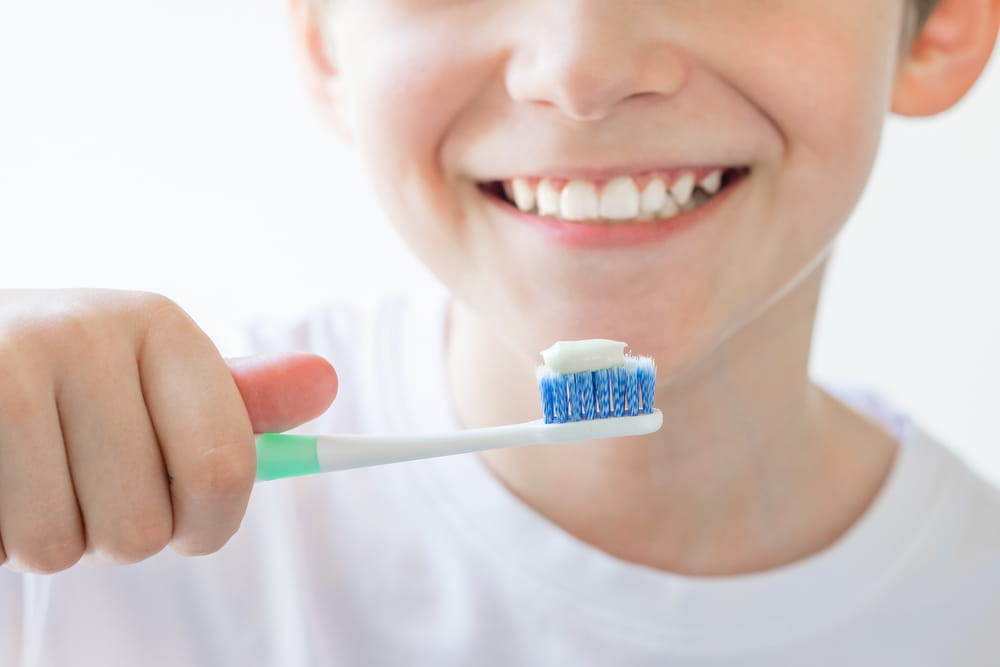
Maintaining appropriate fluoride exposure involves balance rather than avoidance. Simple habits such as using a pea-sized amount of toothpaste for children and avoiding swallowing fluoride products help ensure safe use. This balanced approach allows patients to gain protective benefits without unnecessary exposure.
Fluoride’s Role in Preventive Dentistry
Reducing the Need for Restorative Treatment
Preventive care aims to stop dental problems before they require more extensive treatment. By lowering cavity risk, fluoride helps reduce the need for fillings, crowns, and other restorative procedures. This preventive effect supports both oral health and long-term cost savings.
Fluoride also plays a supportive role alongside other preventive measures, such as regular cleanings and proper nutrition. Together, these strategies create a comprehensive approach to maintaining a healthy smile.
Supporting Public Health Outcomes
Fluoride has been recognized as one of the most effective public health measures for improving oral health outcomes. Communities with access to fluoridated water consistently show lower rates of tooth decay across all age groups. This widespread benefit underscores fluoride’s importance beyond individual dental routines.
Making Informed Decisions About Fluoride
Evaluating Personal Risk Factors
Every patient has unique oral health needs influenced by diet, genetics, medical conditions, and hygiene habits. Understanding personal risk factors can help guide appropriate fluoride use. Individuals prone to cavities or enamel erosion may benefit from additional fluoride support.
Open discussions with dental professionals and reliance on credible scientific sources help patients navigate conflicting information. Evidence-based guidance ensures decisions are rooted in proven health benefits rather than misconceptions.
In closing, Delaire Dental encourages patients to view fluoride as a well-researched, effective tool for protecting oral health. When used responsibly, fluoride supports stronger teeth, fewer cavities, and healthier smiles for patients in New York, NY and beyond.
Resources
Centers for Disease Control and Prevention. (2022). Community Water Fluoridation. CDC Oral Health.
American Dental Association. (2023). Fluoride: Topical and Systemic Supplements. Journal of the American Dental Association.
Petersen, P. E., & Lennon, M. A. (2004). Effective Use of Fluorides for the Prevention of Dental Caries. World Health Organization Bulletin.