
Delaire Dental understands that dental implants are a long-term investment in oral health, function, and confidence, especially for patients in New York, NY who want durable tooth replacement options. While implants are designed to be strong and long-lasting, their success depends heavily on how they are cared for after placement. Proper maintenance helps protect the surrounding gums, bone, and overall oral environment.
Dental implants differ from natural teeth in structure, but they rely on healthy gums and bone just as much as natural teeth do. Without consistent care, complications such as inflammation or bone loss can develop around implants, potentially shortening their lifespan. Understanding how to maintain implants correctly allows patients to protect both their smile and their overall oral wellness.
Understanding How Dental Implants Function
The Structure of an Implant
A dental implant consists of a titanium post placed in the jawbone, topped with a crown, bridge, or denture. The post integrates with the bone through a process called osseointegration, creating a stable foundation. Educational resources on Dental Implants often emphasize that while implants cannot decay like natural teeth, the surrounding tissues remain vulnerable to disease.
The gums and bone supporting an implant must remain healthy to keep it stable. Inflammation in these tissues can lead to peri-implant disease, a condition similar to periodontal disease around natural teeth. This makes daily hygiene and professional monitoring essential parts of implant care.
Implants Compared to Other Restorations
Patients often explore tooth replacement options by learning about Implants vs. Bridges. Unlike bridges, implants are independent of neighboring teeth, but they require meticulous care to protect the surrounding bone. This independence makes long-term maintenance especially important, as there is no natural tooth structure to help stabilize the area if bone loss occurs.
Daily Oral Hygiene for Dental Implants
Brushing and Interdental Cleaning
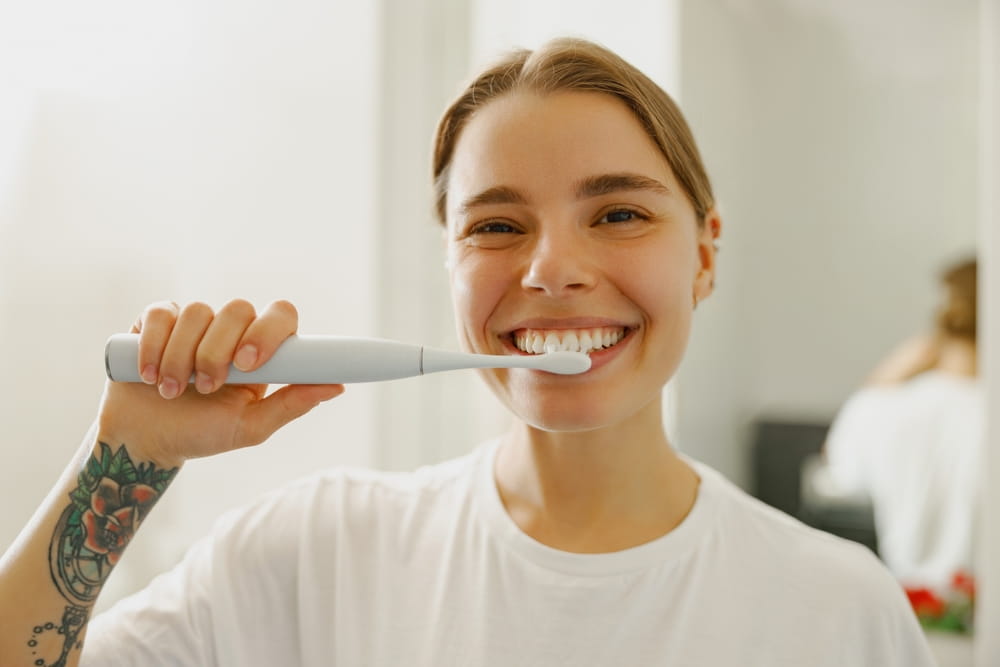
Daily cleaning around implants is critical for preventing plaque accumulation. Brushing twice a day with a soft-bristled toothbrush helps remove bacteria without irritating the gums. Many patients also benefit from using low-abrasive toothpaste to protect implant crowns and surrounding explain.
Cleaning between teeth and implants is just as important. Floss, interdental brushes, or water flossers help remove plaque from areas a toothbrush cannot reach. These habits reduce the risk of inflammation around the implant and support long-term stability.
Preventing Peri-Implant Inflammation
Peri-implant mucositis is an early stage of inflammation around implants and is reversible with improved hygiene. If left untreated, it can progress to peri-implantitis, which involves bone loss. This progression mirrors what is seen in periodontal disease, reinforcing why education around Periodontics is often relevant for implant patients.
Professional Care and Long-Term Monitoring
Routine Dental Visits
Regular professional cleanings and examinations are essential for implant maintenance. Dental professionals use specialized instruments designed to clean implants without damaging their surfaces. These visits also allow early detection of gum inflammation or changes in bone levels.
Radiographic monitoring helps track how well the implant is integrating with the bone over time. Identifying subtle changes early allows for intervention before complications become more serious.
Supporting Bone Health
Bone health plays a crucial role in implant longevity. When bone volume is insufficient, procedures such as Bone Grafting may be discussed in educational contexts. Maintaining bone density through proper care and regular monitoring helps ensure that implants remain secure and functional for years.
Lifestyle Factors That Affect Implant Longevity
Habits That Protect Implants
Certain daily habits can significantly influence implant success. Patients are generally advised to avoid smoking, as it impairs healing and increases the risk of implant complications. Managing conditions such as diabetes and maintaining good nutrition also support healthy gums and bone around implants.
Protective measures such as night guards may be recommended for individuals who grind their teeth. Excessive force can place stress on implant restorations, affecting both the implant and surrounding structures.
Long-Term Commitment to Care
Dental implants are designed to last decades, but they require a lifelong commitment to care. Treating implants with the same attention as natural teeth, if not more, helps preserve their function and appearance. This commitment supports not only oral health but also comfort, confidence, and overall quality of life.
In closing, Delaire Dental emphasizes that caring for dental implants is a partnership between daily habits and professional oversight. With proper maintenance and awareness, patients in New York, NY can enjoy the benefits of implants while protecting their oral health for the long term.
Resources
Misch, C. E., Perel, M. L., Wang, H. L., et al. (2008). Implant Success, Survival, and Failure. Implant Dentistry.
Heitz-Mayfield, L. J. A., & Lang, N. P. (2010). Comparative Biology of Chronic and Aggressive Periodontitis vs. Peri-Implantitis. Periodontology 2000.
Esposito, M., Grusovin, M. G., & Worthington, H. V. (2012). Interventions for Replacing Missing Teeth: Dental Implants. Cochrane Database of Systematic Reviews.