
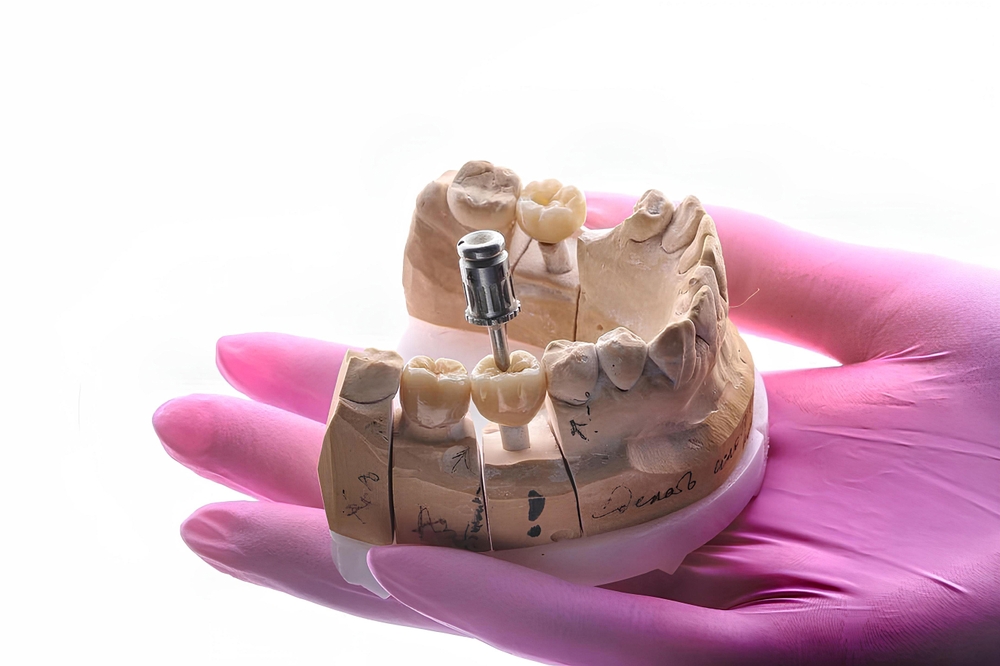
Dental implants have revolutionized tooth replacement, providing durable and natural-looking results. At Delaire Dental in New York, NY, Dr. Michael Lee and Dr. Arielle Scherz emphasize that the success of dental implants often depends on the underlying bone structure. Bone grafting is a critical component in preparing the jaw for implants, ensuring there is sufficient support to maintain stability and long-term functionality.
The jawbone naturally deteriorates over time following tooth loss, injury, or periodontal disease. Without adequate bone density and volume, dental implants may not properly integrate, which can lead to complications such as implant failure, shifting, or discomfort. Bone grafting addresses these challenges by restoring and strengthening the jawbone, creating a stable foundation for successful implant placement.
Why Bone Grafting Is Necessary
Bone grafting is often recommended when there is insufficient jawbone to support a dental implant. This insufficiency can result from prolonged tooth loss, periodontal disease, or trauma. Over time, the jawbone can shrink, reducing its ability to anchor implants effectively. Bone grafting adds material to the deficient area, allowing for the regeneration of healthy bone tissue.
The procedure not only enhances the quantity of bone but also improves the quality. High-quality bone ensures that implants integrate properly through a process called osseointegration, which is critical for the durability and functionality of the implant. Without this procedure, dental implants may not achieve the stability necessary for long-term success.
Types of Bone Grafting Materials
Several types of bone grafting materials are used depending on the patient’s needs. These include:
- Autografts: Bone taken from another area of the patient’s body, often considered the gold standard due to compatibility and reduced risk of rejection.
- Allografts: Donor bone sourced from a tissue bank, carefully processed to ensure safety and compatibility.
- Xenografts: Bone derived from animal sources, commonly bovine, that is processed to remove organic components.
- Alloplasts: Synthetic bone substitutes designed to encourage natural bone growth.
Each material serves the purpose of supporting bone regeneration, although the choice depends on factors such as the patient’s health, the size of the graft, and the location of the implant. Understanding the materials and their function helps patients appreciate the importance of bone grafting in dental implant success.
The Healing and Integration Process
Once bone grafting is performed, a healing period is essential for the graft to integrate with the existing bone. This process, called osteogenesis, allows new bone to form and strengthens the jaw for future implant placement. Healing times can vary, typically ranging from a few months to over half a year, depending on the extent of grafting and the individual’s healing capacity.
During this period, maintaining good oral hygiene and following post-operative care instructions is crucial. Proper care reduces the risk of infection and ensures the graft successfully fuses with the natural bone. When the graft has fully integrated, it provides a strong, stable foundation that maximizes the likelihood of long-term implant success and functionality.
Long-Term Benefits of Bone Grafting for Implants
Bone grafting offers several long-term benefits for dental implant recipients. By restoring bone density and volume, it improves the structural integrity of the jaw, ensuring implants remain securely anchored over time. This reduces the likelihood of implant failure and the need for additional corrective procedures.
Additionally, bone grafting helps preserve facial structure and aesthetics. Tooth loss and bone deterioration can lead to changes in facial contours, resulting in a sunken or aged appearance. By maintaining bone volume, grafting supports natural facial shape and contributes to overall oral and systemic health. Patients who understand the role of bone grafting are better equipped to make informed decisions about their implant journey.
The Importance of Bone Grafting in Dental Implants
Bone grafting is a pivotal element in achieving successful dental implant outcomes. At Delaire Dental in New York, NY, Dr. Michael Lee and Dr. Arielle Scherz highlight how bone grafting restores jawbone integrity, supports long-term implant stability, and preserves facial aesthetics. Understanding the procedure, healing process, and materials involved underscores its significance in modern dental implantology and ensures patients can approach treatment with confidence and awareness.
Resources:
- Albrektsson, T., & Johansson, C. (2001). Osteoinduction, osteoconduction and osseointegration. European Spine Journal.
- Chiapasco, M., et al. (2006). Bone augmentation procedures in implant dentistry. International Journal of Oral and Maxillofacial Implants.
- Misch, C. E. (2014). Contemporary Implant Dentistry: Bone Grafting and Augmentation Techniques.