
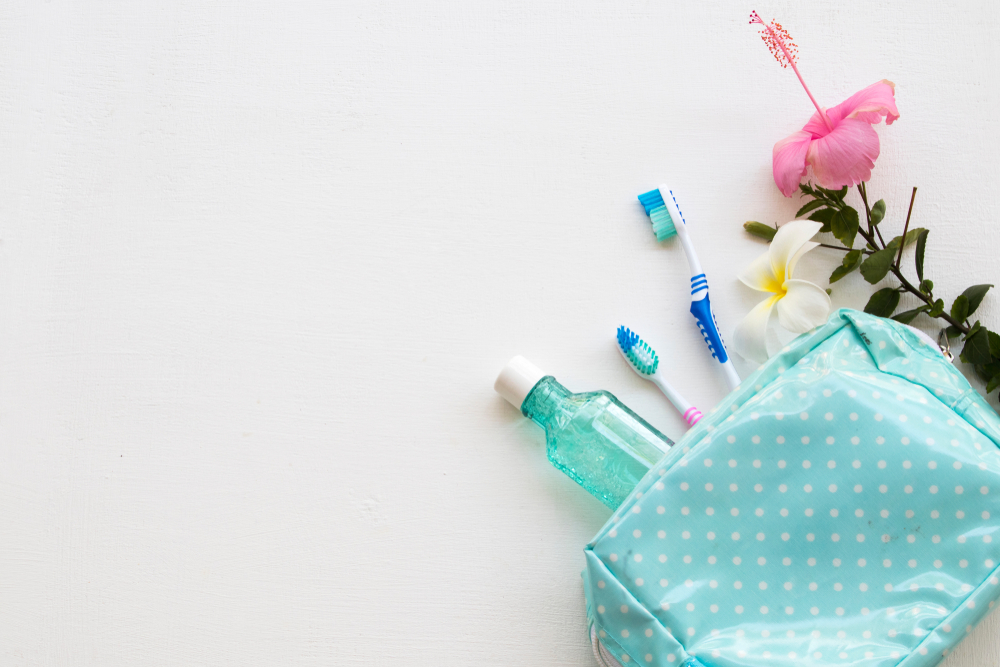
When people think about travel preparation, they often focus on clothes, itineraries, or tickets, but oral hygiene sometimes gets overlooked. At Delaire Dental in New York, NY, Dr. Michael Lee and Dr. Arielle Scherz remind patients that maintaining good oral care while away from home is just as important as daily routines. Whether traveling for business or pleasure, skipping essential habits can lead to discomfort, bad breath, or even dental problems that interrupt your plans. With a little preparation and awareness, it is possible to keep your teeth and gums healthy no matter where your journey takes you.
Planning Ahead for Oral Care
The first step to maintaining oral hygiene while traveling is preparation. Packing oral care essentials should be as routine as packing clothing or toiletries. Many travelers run into problems simply because they forget items such as floss or a toothbrush. Creating a travel checklist that includes a toothbrush, toothpaste, floss, and mouthwash helps ensure nothing is left behind. For those flying, choosing travel-sized containers that meet airline liquid restrictions makes it easier to keep everything in a carry-on bag.
It is also wise to think ahead about the conditions of the trip. For example, those visiting remote areas may need bottled water for rinsing, while international travelers might want to bring extra supplies in case they cannot find familiar brands abroad. Planning for oral care is not about convenience—it prevents disruptions in routine that allow plaque and bacteria to build up quickly.
Choosing the Right Travel Tools
Compact, portable tools are ideal for travel because they make it easier to stay consistent. Folding toothbrushes or toothbrush caps protect bristles from dirt and bacteria when stored in bags. Disposable toothbrushes with pre-applied toothpaste can also be useful for long flights or road trips when traditional brushing is inconvenient.
Floss is another essential, and options such as floss picks or small travel-sized containers are convenient for quick use. A small bottle of mouthwash, especially alcohol-free, can freshen breath and reduce bacteria when brushing is not possible. Some travelers even pack sugar-free gum, which helps stimulate saliva flow and neutralize acids after meals. Having the right tools on hand makes it far easier to stick with an oral hygiene routine even in unfamiliar settings.
Adapting to Different Travel Situations
Travel often disrupts normal schedules, but oral care should not be compromised. Long flights, for instance, can lead to dry mouth due to cabin air, which increases the risk of bacteria growth. In such cases, staying hydrated with water and avoiding excessive caffeine or alcohol helps keep the mouth comfortable. Chewing sugar-free gum can also reduce dryness while supporting fresh breath.
For road trips, access to bathrooms may be limited, but quick solutions such as rinsing with bottled water after snacks or using floss picks can minimize plaque buildup until a full brushing is possible. Even when schedules are packed, finding a few minutes twice a day to brush and once a day to floss makes a significant difference in oral health outcomes while traveling.
Healthy Eating and Drinking Habits on the Road
Oral hygiene is not just about brushing and flossing—it is also influenced by diet. Traveling often comes with increased snacking, sugary drinks, or unfamiliar foods, all of which can impact dental health. Limiting sticky candies, sodas, and acidic beverages such as citrus juices reduces the risk of enamel erosion and cavities. Instead, choosing crunchy fruits and vegetables like apples or carrots helps clean teeth naturally while stimulating saliva flow.
Drinking plenty of water supports hydration and helps wash away food particles. When bottled water is the safest option, it is still important to rinse the mouth after meals when brushing is not possible. Small changes in eating and drinking habits can make oral care much easier while on the move.
Practical Tips for On-the-Go Oral Care
Even with preparation, travel can present unique challenges. These quick strategies make oral care easier on the road:
- Brush at least twice daily, even if schedules are irregular.
- Floss once a day to remove food particles brushing cannot reach.
- Rinse with water or mouthwash after snacks or drinks.
- Keep a dental travel kit in carry-on luggage for easy access.
- Stay hydrated to prevent dry mouth and reduce bacterial growth.
These habits are simple but make a big difference in preserving oral health while away from home. Consistency ensures that teeth and gums remain healthy throughout the trip.
Preventing Common Travel-Related Issues
Travel can expose patients to conditions that impact oral health. For example, changes in altitude or cabin pressure may cause mild tooth sensitivity in some individuals. Using desensitizing toothpaste before and during the trip can help reduce discomfort. Another common issue is dry mouth, which is worsened by dehydration or alcohol consumption during flights. Carrying a reusable water bottle and sipping frequently helps minimize this problem.
Travelers also face the temptation of skipping their evening routine after long, exhausting days. However, going to bed without brushing allows plaque and bacteria to sit on teeth overnight, increasing the risk of decay. Keeping oral care tools accessible, even at a bedside table in a hotel, makes it easier to follow through with healthy habits.
Making Oral Hygiene a Priority Anywhere
Maintaining oral hygiene while traveling ultimately comes down to making it a priority. Just as you would not skip meals or sleep, dental care should be seen as non-negotiable. Small, consistent actions provide the best protection against cavities, gum disease, and bad breath. Oral health directly affects comfort and confidence, and staying consistent while traveling ensures that your trip is remembered for positive experiences rather than unexpected dental issues.
At Delaire Dental in New York, NY, patients are encouraged to view oral hygiene as a lifelong commitment, no matter where life takes them. Traveling presents challenges, but with preparation, the right tools, and mindful habits, maintaining a healthy smile on the go is entirely achievable. By keeping oral hygiene a priority, travelers can enjoy their adventures while protecting their long-term dental health.
Sources
Pitts, N. B., Zero, D. T., Marsh, P. D., Ekstrand, K., Weintraub, J. A., Ramos-Gomez, F., & Ismail, A. (2017). Dental Caries. Nature Reviews Disease Primers.
van der Weijden, F., & Slot, D. E. (2011). Oral Hygiene in the Prevention of Periodontal Diseases: The Evidence. Periodontology 2000.
American Dental Association. (2021). Travel Tips for Maintaining Oral Health.