
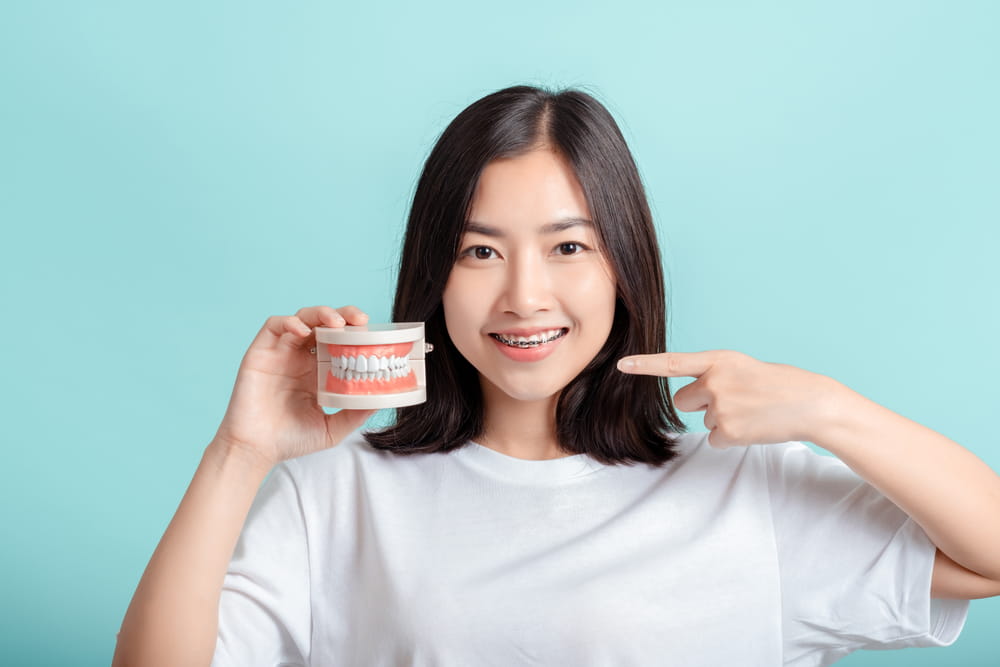
At Delaire Dental in New York, NY, Dr. Michael Lee and Dr. Arielle Scherz often encounter patients who feel uncertain about orthodontic treatment due to widespread myths. Orthodontics has evolved significantly over the years, yet outdated beliefs still shape how people perceive braces and aligners. Understanding the truth behind these misconceptions can help patients make informed decisions about their oral health and smile goals.
Orthodontic treatment is not just about aesthetics—it plays a crucial role in improving bite alignment, oral function, and long-term dental health. However, misinformation can lead to hesitation or avoidance of care. By breaking down these myths, patients can better understand what modern orthodontics truly offers.
Orthodontics Is Only for Teenagers
One of the most persistent myths is that orthodontic treatment is only suitable for children and teenagers. While it is true that many people begin treatment during adolescence, adults can also benefit significantly from orthodontic care. Teeth can be moved at any age, provided the gums and bone structure are healthy.
In fact, more adults than ever are seeking orthodontic solutions, often opting for discreet options like Invisalign. These clear aligners make it easier to straighten teeth without the noticeable appearance of traditional braces. Adult orthodontics can address issues such as crowding, spacing, and bite misalignment, improving both function and confidence.
Braces Are Painful and Uncomfortable
Another common misconception is that orthodontic treatment is extremely painful. While some discomfort is normal, especially after adjustments, modern orthodontic technology has made the process far more comfortable than in the past. Advances in materials and techniques allow for gentler, more precise tooth movement.
Patients may experience mild soreness for a few days after adjustments, but this is typically manageable and temporary. The long-term benefits of properly aligned teeth often outweigh these short-lived sensations. Today’s orthodontic systems are designed with patient comfort in mind, making the experience much more manageable than many expect.
Treatment Takes Many Years
Many people avoid orthodontic care because they believe it will take several years to complete. While some complex cases do require extended treatment, many patients see results in a shorter timeframe than anticipated. The duration depends on individual needs, the severity of misalignment, and the chosen treatment method.
Clear aligner systems and modern braces can often streamline the process. Additionally, patient compliance—such as wearing aligners as instructed—plays a significant role in how quickly results are achieved. With proper planning and adherence, treatment timelines can be efficient and predictable.
Orthodontics Is Purely Cosmetic
A major misconception is that orthodontic treatment is only about achieving a straighter smile. While aesthetics are certainly a benefit, orthodontics also improves oral health. Misaligned teeth can make cleaning more difficult, increasing the risk of cavities and gum disease, which may require treatments like periodontics or care for gum recession.
Proper alignment can also improve bite function, reducing strain on the jaw and minimizing uneven wear on teeth. In some cases, orthodontic treatment can even prevent the need for more extensive restorative procedures later, such as fixed restoration or dental implants.
Key Facts to Remember About Orthodontic Treatment
- Orthodontic care is effective for both teens and adults
- Modern treatments are more comfortable than ever
- Treatment timelines vary but are often shorter than expected
- Orthodontics supports both oral health and aesthetics
Braces Are the Only Option
Many patients still believe that traditional metal braces are the only way to straighten teeth. While braces remain an effective option, there are now several alternatives available. Clear aligners, ceramic braces, and other advanced systems offer flexibility and discretion.
For patients concerned about appearance or lifestyle limitations, options like Invisalign provide a removable and nearly invisible solution. This allows individuals to maintain their daily routines, including eating and oral hygiene, without significant disruption.
Clearing Up the Confusion
Orthodontic treatment has come a long way, yet myths continue to influence patient perceptions. By understanding the facts, individuals can approach treatment with confidence and realistic expectations. Education is key to making informed decisions about dental health and achieving lasting results.
At Delaire Dental in New York, NY, Dr. Michael Lee and Dr. Arielle Scherz emphasize the importance of accurate information when considering orthodontic care. A well-informed patient is better equipped to take the next step toward a healthier, more balanced smile.
Resources
Proffit, W. R., Fields, H. W., & Sarver, D. M. (2018). Contemporary Orthodontics. Elsevier.
American Association of Orthodontists. (2020). Orthodontic Treatment: What You Need to Know. AAO.
Graber, L. W., Vanarsdall, R. L., & Vig, K. W. (2016). Orthodontics: Current Principles and Techniques. Elsevier.