
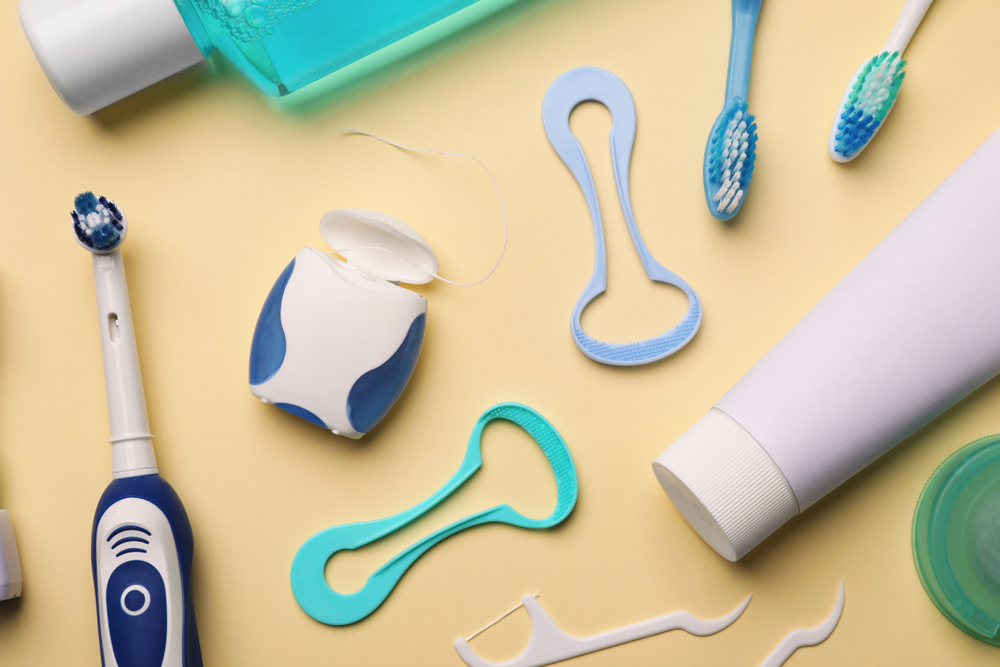
Selecting the right oral care tools is just as important as brushing and flossing daily. At Delaire Dental in New York, NY, Dr. Michael Lee and Dr. Arielle Scherz emphasize that not all toothbrushes, floss, or rinses are created equal. The quality and type of tools you use can make a significant difference in the effectiveness of your routine. With so many options on the shelves, from electric toothbrushes to specialized floss and tongue scrapers, knowing what to choose can feel overwhelming. This guide explains how to select the most effective tools to support oral health and make your daily routine easier and more efficient.
Understanding the Importance of the Right Tools
Using the right tools ensures that plaque and bacteria are properly removed while minimizing the risk of gum irritation or enamel damage. A poorly chosen toothbrush, for example, may be too abrasive, causing gum recession, while the wrong type of floss may be difficult to maneuver and discourage regular use. Beyond effectiveness, comfort plays a major role—when oral care tools are easy to use, people are far more likely to maintain consistent habits.
Another factor to consider is that oral health needs change over time. Children require different tools than adults, and individuals with braces, implants, or sensitive teeth may benefit from specialized products. By matching tools to specific oral health needs, patients can prevent complications and ensure their efforts are as beneficial as possible.
Choosing the Right Toothbrush
The toothbrush is the cornerstone of oral care. Most dental professionals recommend a soft-bristled brush, as hard bristles can wear down enamel and irritate gums. The size of the head is also important—a smaller head often allows for better access to hard-to-reach areas, particularly in the back of the mouth. Handles come in various shapes and grips, and choosing one that feels comfortable can improve brushing technique.
Many patients debate whether electric toothbrushes are superior to manual ones. Research shows that electric brushes with oscillating or sonic technology can be more effective in reducing plaque and gingivitis, particularly for those who struggle with manual dexterity or tend to rush through brushing. However, a manual brush can be equally effective when used properly and consistently. Ultimately, the best toothbrush is the one that allows you to brush thoroughly and comfortably for two minutes, twice daily.
The Role of Toothpaste in Oral Care
Selecting the right toothpaste is about more than just flavor. Fluoride remains the most important ingredient, as it strengthens enamel and reduces the risk of cavities. For patients with sensitive teeth, desensitizing toothpaste containing ingredients like potassium nitrate can reduce discomfort triggered by hot, cold, or sweet foods. Whitening toothpastes may help remove surface stains, though they should be used carefully, as some can be abrasive.
Specialized toothpastes are also available for patients with issues such as gum disease or tartar buildup. Choosing the right formula should be guided by personal needs and preferences, but consistent use is what truly makes the difference. Regardless of the type, using a pea-sized amount of toothpaste twice daily provides the best balance of protection and safety.
Flossing Tools: More Than Just String
Traditional dental floss is a tried-and-true tool, but not all floss is created equal. Waxed floss can slide more easily between tight teeth, while unwaxed floss may provide a better grip for removing plaque. For patients with larger gaps, dental tape offers a wider surface area for cleaning. However, many patients find string floss challenging, which often leads to inconsistent use.
Alternatives like floss picks, interdental brushes, and water flossers make the process more manageable. Floss picks provide convenience, especially when on the go, while interdental brushes are ideal for patients with braces or bridges. Water flossers use a pressurized stream of water to remove debris and are particularly helpful for patients with implants or gum sensitivity. Choosing the right flossing tool often comes down to comfort and ease of use, which encourages daily compliance.
Mouthwash and Its Role in Oral Hygiene
Mouthwash is often considered optional, but it provides benefits that complement brushing and flossing. Antimicrobial mouthwashes reduce bacteria and help control plaque, while fluoride rinses strengthen enamel and provide extra protection against cavities. Alcohol-free options are recommended for patients with dry mouth or sensitive tissues, as alcohol-based rinses can cause irritation.
It’s important to note that mouthwash should not replace brushing and flossing, but rather act as a supplemental step. Patients dealing with bad breath, dry mouth, or a history of cavities may benefit the most from incorporating mouthwash into their daily routine. Choosing a rinse that addresses specific concerns enhances the effectiveness of an overall hygiene plan.
Additional Tools Worth Considering
Beyond toothbrushes, floss, and mouthwash, there are other tools that can greatly improve oral hygiene. Tongue scrapers, for example, are effective at removing bacteria and debris from the tongue’s surface, which helps control bad breath and supports overall cleanliness. Chewing sugar-free gum after meals can stimulate saliva production, neutralizing acids and reducing the risk of decay.
Orthodontic patients may benefit from specialized brushes designed to clean around brackets and wires. Patients with limited dexterity may find electric toothbrushes or adaptive handles helpful in maintaining independence and effectiveness. While not every tool is necessary for every patient, having a few supplemental products can make oral care more comprehensive and tailored to individual needs.
Common Mistakes to Avoid When Choosing Tools
Many patients make the mistake of assuming that firmer bristles or stronger whitening formulas automatically mean better cleaning. In reality, these products may cause more harm than good, leading to enamel erosion or gum irritation. Another common issue is choosing tools based solely on cost or marketing claims rather than effectiveness and personal comfort.
Patients should also be cautious about using old or worn-out tools. Toothbrushes should be replaced every three to four months or sooner if the bristles become frayed. Floss picks and interdental brushes should not be reused, as they may harbor bacteria. Recognizing these pitfalls helps patients make informed choices and maintain tools in optimal condition.
Building a Routine with the Right Tools
The best oral care tools are those that patients will use consistently. A toothbrush that feels comfortable in the hand, floss that is easy to maneuver, and mouthwash that suits personal preferences all contribute to a routine that is sustainable. Building habits around these tools ensures plaque and bacteria are consistently removed, lowering the risk of cavities, gum disease, and bad breath.
Oral health is a lifelong investment, and choosing the right tools makes daily care more effective and rewarding. At Delaire Dental in New York, NY, the focus on education highlights how selecting the proper tools supports long-term dental wellness and overall confidence. With the right approach, patients can feel empowered to make choices that benefit their health for years to come.
Sources
Walsh, T., Worthington, H. V., Glenny, A. M., Marinho, V. C., & Jeroncic, A. (2019). Fluoride Toothpaste for Preventing Dental Caries in Children and Adolescents. Cochrane Database of Systematic Reviews.
Yaacob, M., Worthington, H. V., Deacon, S. A., Deery, C., Walmsley, A. D., Robinson, P. G., & Johnson, T. M. (2014). Powered Versus Manual Toothbrushing for Oral Health. Cochrane Database of Systematic Reviews.
van der Weijden, F., & Slot, D. E. (2011). Oral Hygiene in the Prevention of Periodontal Diseases: The Evidence. Periodontology 2000.