
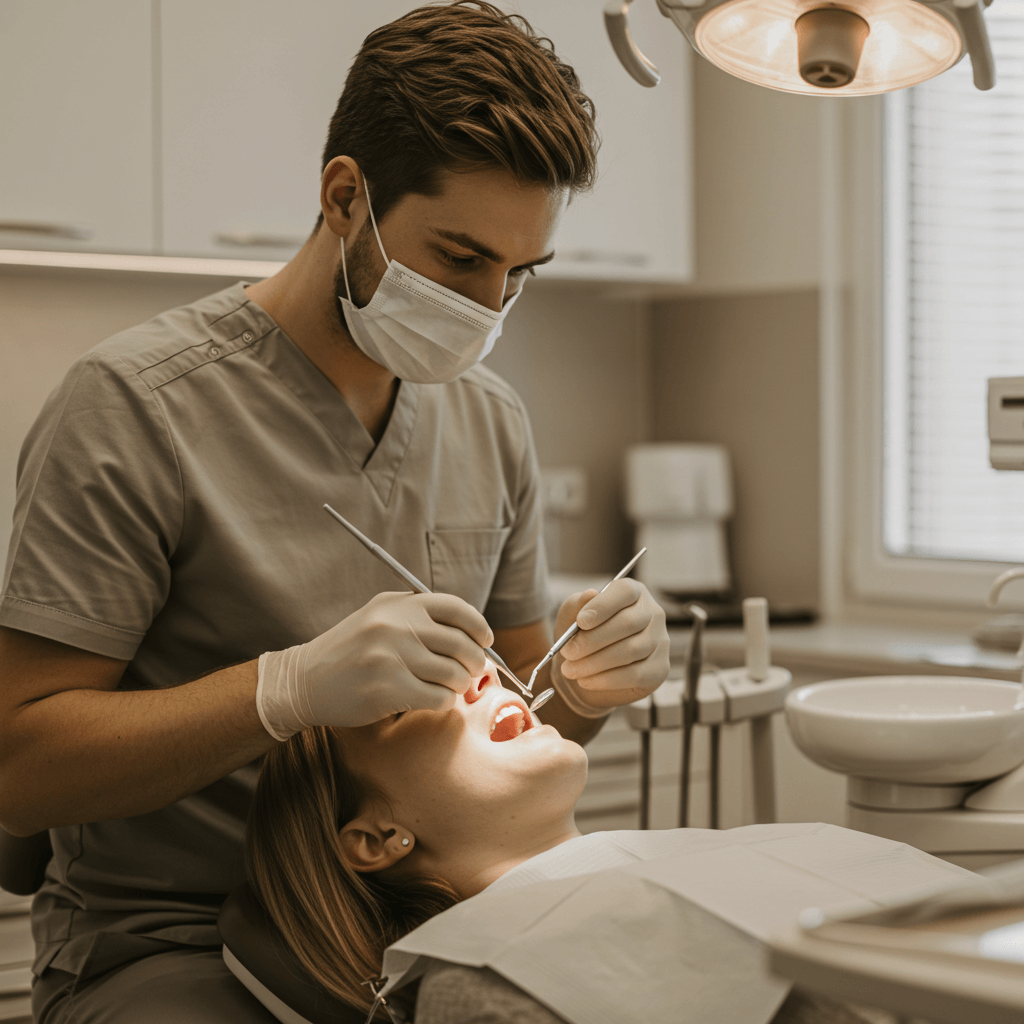
At Delaire Dental in New York, NY, patients frequently ask how stress influences their dental health. Dr. Michael Lee and Dr. Arielle Scherz explain that stress is not just a mental or emotional burden; it can also leave a lasting impact on the mouth. From grinding teeth at night to increasing the risk of gum disease, the body’s response to stress is closely linked to oral health challenges.
Many people underestimate the ways in which psychological stress manifests physically. Oral tissues, teeth, and even salivary glands can be affected by prolonged periods of tension. Understanding the connection between stress and oral health helps patients recognize early warning signs and take proactive steps toward prevention and care.
Teeth Grinding and Jaw Problems
One of the most common oral health issues linked to stress is teeth grinding, also known as bruxism. Stress can trigger unconscious clenching or grinding of the teeth, often during sleep. Over time, this habit wears down tooth enamel, increases tooth sensitivity, and may even cause fractures. Patients may also notice jaw soreness, headaches, or clicking sounds when opening and closing their mouths.
In more severe cases, bruxism contributes to temporomandibular joint (TMJ) disorders. The stress placed on the jaw joints and surrounding muscles leads to pain, stiffness, and difficulty chewing. These problems can interfere with daily comfort and function, highlighting the importance of addressing stress-related grinding before it progresses.
Stress and Gum Disease
Stress has a direct impact on the immune system, making it more difficult for the body to fight off infections, including those in the gums. Periodontal disease, which begins with gingivitis, can worsen when the body is under chronic stress. Inflamed, bleeding gums may progress more rapidly to advanced gum disease if stress weakens the immune response.
Additionally, people under stress may neglect daily oral hygiene habits such as brushing and flossing or delay routine dental visits. This neglect allows plaque to build up and accelerates gum problems. As gum disease advances, it can lead to tooth loss and contribute to systemic health issues, reinforcing the connection between stress and oral wellness.
Mouth Sores and Dry Mouth
Another way stress affects oral health is through the development of mouth sores, such as canker sores or ulcers. While these lesions are not contagious, they can be painful and interfere with eating or speaking. Emotional stress is believed to be a contributing factor, triggering flare-ups during difficult periods.
Stress can also reduce saliva production, leading to dry mouth, or xerostomia. Saliva plays a critical role in washing away bacteria and protecting teeth from decay. When saliva levels drop, patients are at higher risk of cavities, gum disease, and bad breath. Dry mouth can also make it harder to chew and swallow, impacting overall quality of life.
Stress-Related Habits and Lifestyle Choices
Stress often influences daily habits, some of which directly harm oral health. People under stress may consume more sugary snacks, drink acidic beverages, or smoke as a coping mechanism. These habits increase the risk of cavities, erosion, and staining of the teeth. Others may skip meals or rely on processed foods that lack the nutrients necessary for healthy gums and teeth.
Even clenching a pen, biting nails, or chewing on non-food items out of stress can cause wear or chips in the teeth. These seemingly small behaviors accumulate over time and create noticeable dental concerns. By becoming aware of these patterns, patients can take steps to reduce stress-related damage and improve their oral health outcomes.
Strategies for Protecting Oral Health During Stress
Managing stress is a key part of maintaining oral health. Patients can take both oral care and lifestyle measures to protect themselves from stress-related dental issues:
- Maintain consistent oral hygiene with twice-daily brushing and daily flossing
- Schedule regular dental visits for check-ups and cleanings
- Use a custom night guard if teeth grinding is a problem
- Stay hydrated to combat dry mouth and protect tooth enamel
- Incorporate stress-relief techniques such as exercise, meditation, or breathing exercises
By combining stress management with strong oral care routines, patients can minimize the impact of stress on their dental health and overall well-being.
Conclusion
Stress is an unavoidable part of life, but its effects on oral health should not be overlooked. At Delaire Dental in New York, NY, Dr. Michael Lee and Dr. Arielle Scherz encourage patients to recognize the signs of stress-related dental problems and address them early. From grinding teeth to gum disease, the impact of stress on oral health is real, but with proactive care and healthy coping strategies, patients can protect their smiles and maintain long-term wellness.
References
Suvinen, T. I., & Reade, P. C. (1995). Temporomandibular Disorders: A Critical Review of the Nature of Pain and Its Assessment. Journal of Oral Rehabilitation.
Genco, R. J., Ho, A. W., Kopman, J., Grossi, S. G., Dunford, R. G., & Tedesco, L. A. (1999). Models to Evaluate the Role of Stress in Periodontal Disease. Annals of Periodontology.
Jenkins, G. N. (2003). The Physiology and Biochemistry of the Mouth. Blackwell Publishing.