
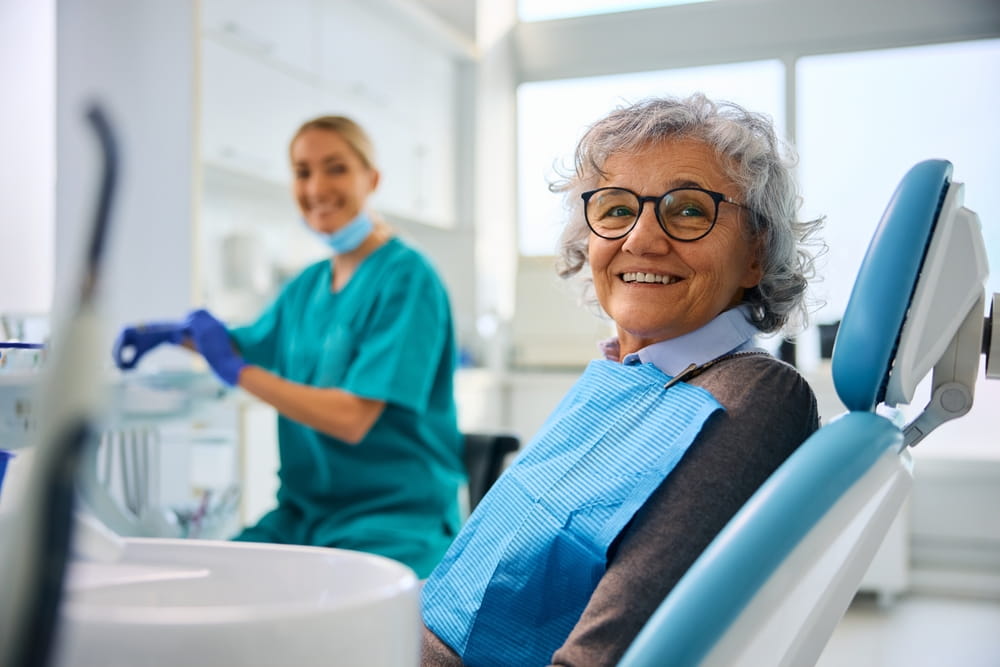
Dental care becomes increasingly important as people age, as oral health is closely linked to overall wellness, nutrition, and quality of life. At practices such as Delaire Dental in New York, NY, patient education often emphasizes that healthy teeth and gums support clear speech, confident smiles, and comfortable eating well into later years. Aging alone does not cause poor oral health, but physical changes and medical conditions can increase risks if care is neglected.
Seniors are more likely to experience chronic conditions, take multiple medications, and face dexterity challenges that affect daily oral hygiene. Dry mouth, gum disease, and tooth wear can progress silently without regular monitoring. Understanding how aging impacts oral health allows older adults and caregivers to take proactive steps toward prevention and early intervention.
Common Dental Concerns Among Seniors
Age-Related Changes in the Mouth
As the body ages, teeth naturally experience wear, enamel thinning, and increased sensitivity. Gums may recede over time, exposing tooth roots and making teeth more vulnerable to decay. Conditions such as Gum Recession are common among seniors and can contribute to discomfort and aesthetic concerns if left unaddressed.
Another frequent issue is periodontal disease, which becomes more prevalent with age due to long-term plaque buildup and systemic health factors. Periodontics focuses on preventing and managing gum disease, helping preserve natural teeth and supporting overall health. Untreated gum disease has been linked to heart disease, diabetes complications, and other systemic concerns.
The Impact of Medications and Medical Conditions
Many seniors take medications that reduce saliva production, leading to chronic dry mouth. Saliva plays a critical role in neutralizing acids and washing away bacteria, so reduced flow significantly increases the risk of cavities and infections. Seniors with arthritis or neurological conditions may also find brushing and flossing more difficult, increasing plaque accumulation.
Medical conditions such as diabetes, osteoporosis, and cardiovascular disease can further affect oral health. For example, diabetes can impair healing and increase susceptibility to infection, while bone density loss may impact jawbone strength. Coordinated dental and medical care helps ensure these factors are managed effectively.
Tooth Loss and Restoration Options for Seniors
Tooth loss is not an inevitable part of aging, but it does become more common over time due to cumulative dental issues. Missing teeth can affect chewing efficiency, speech clarity, and facial structure. Modern dentistry offers several restorative solutions designed to improve function and comfort.
Seniors exploring long-term tooth replacement options may learn about Dental Implants, which are designed to replace missing teeth by integrating with the jawbone. Comparisons such as Implants vs. Bridges help patients understand differences in durability, maintenance, and bone preservation. For those missing multiple teeth, Dentures vs Overdentures may be discussed to evaluate stability and comfort.
Preventive Dental Care for Older Adults
Preventive care remains the foundation of oral health at every age. Regular dental checkups allow early detection of decay, gum disease, oral cancer, and ill-fitting restorations. Professional cleanings help remove plaque and tartar that daily brushing may miss, reducing inflammation and infection risk.
At home, seniors benefit from tailored oral hygiene routines that may include electric toothbrushes, interdental cleaners, and fluoride products. Dentists often recommend modifications based on dexterity, vision, or sensitivity concerns. Preventive education empowers seniors to maintain independence while protecting their oral health.
Nutrition, Lifestyle, and Oral Health
Diet plays a vital role in maintaining strong teeth and gums. Seniors who consume balanced meals rich in calcium, vitamin D, and protein support bone health and tissue repair. Limiting sugary snacks and acidic beverages helps reduce cavity risk, especially for those with dry mouth.
Lifestyle factors such as smoking and alcohol use also impact oral health. Tobacco use significantly increases the risk of gum disease and oral cancer, while excessive alcohol can contribute to dryness and irritation. Awareness and healthy habits contribute to long-term dental stability and comfort.
Aging With Confidence and a Healthy Smile
Dental care for seniors is about preserving function, comfort, and confidence. With proper education, preventive strategies, and timely treatment, older adults can maintain strong smiles that support overall well-being. Understanding available options allows seniors to make informed decisions aligned with their health goals.
As emphasized at Delaire Dental, prioritizing oral health in later years supports dignity, independence, and quality of life. Aging does not mean accepting discomfort or tooth loss—it means adapting care to meet changing needs with knowledge and confidence.
Resources
American Dental Association. (2023). Oral Health Topics: Older Adults. Journal of the American Dental Association.
National Institute on Aging. (2022). Taking Care of Your Teeth and Mouth. U.S. Department of Health and Human Services.
Petersen, P. E., & Yamamoto, T. (2005). Improving the oral health of older people: The approach of the WHO Global Oral Health Programme. Community Dentistry and Oral Epidemiology.