
At Delaire Dental in New York, NY, patient education is a cornerstone of care. Many individuals rely on dental bridges or dentures to restore their smiles after tooth loss, yet understanding how to care for these prosthetics is just as important as receiving them. Dr. Michael Lee and Dr. Arielle Scherz highlight that proper care ensures not only the longevity of the restoration but also the overall health of the surrounding teeth and gums.
Dental bridges and dentures are designed to restore both function and appearance. A dental bridge fills the gap created by missing teeth using crowns anchored to neighboring teeth, while dentures—either partial or full—replace multiple teeth or even entire arches. Both options require daily attention to remain comfortable and effective. By learning the right techniques and developing consistent habits, patients can protect their investment and maintain a healthy smile for years to come.
Daily Care for Dental Bridges
Caring for a dental bridge involves more than just brushing the visible surfaces. Since bridges are supported by surrounding teeth, it is essential to maintain excellent oral hygiene in those areas. Brushing twice daily with a fluoride toothpaste helps prevent plaque buildup, while flossing around and beneath the bridge keeps food particles and bacteria from causing decay.
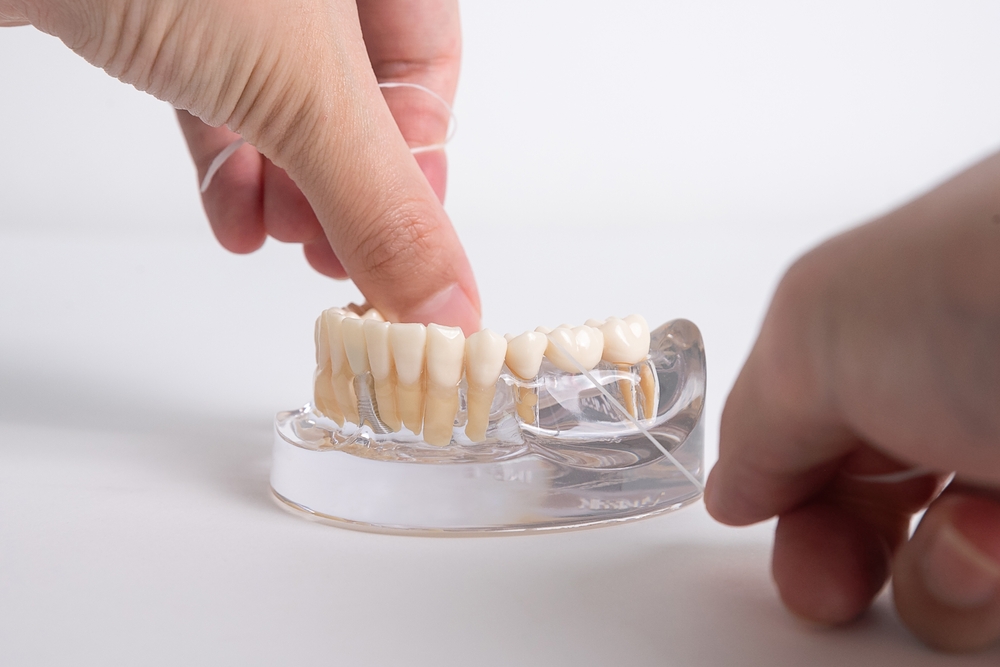
Special floss threaders or interdental brushes are often recommended for cleaning beneath the artificial tooth portion of the bridge. These tools allow patients to reach areas that traditional floss cannot, reducing the risk of gum disease and decay in the supporting teeth. Patients should also avoid biting down on very hard foods, as excessive pressure can compromise the strength of the bridge. With consistent care, bridges can last well over a decade while maintaining both appearance and function.
Daily Care for Dentures
Dentures, whether partial or full, require a different routine to stay clean and effective. Unlike natural teeth, dentures should not be brushed with regular toothpaste, as it can be too abrasive. Instead, they should be cleaned with a soft-bristle brush and a denture cleanser. Removing dentures daily and brushing them thoroughly helps eliminate plaque, food debris, and stains.
It is equally important to care for the gums, tongue, and roof of the mouth when dentures are removed. Gently brushing these areas stimulates circulation and reduces the risk of infections or irritation. At night, dentures should be soaked in water or a denture solution to keep them moist and prevent warping. Patients are also encouraged to handle dentures carefully to avoid accidental drops, which can lead to cracks or breaks.
Common Challenges and Solutions
Even with proper care, patients may encounter challenges with their dental bridges or dentures. Bridges, for example, may sometimes feel loose if supporting teeth weaken. This can often be prevented through consistent hygiene and regular dental visits for adjustments. Dentures may cause sore spots in the beginning, but these usually improve as the mouth adjusts or with minor modifications made by a dentist.
Patients may also notice changes in how their restorations fit over time. Bone and gum tissues naturally change shape, which can affect the stability of dentures in particular. Relining or adjusting the denture can restore comfort and function. Regular check-ups allow dentists to identify these issues early and make the necessary corrections before discomfort worsens.
Tips for Long-Term Success
The key to long-term success with dental bridges and dentures is consistency. Developing a routine that includes proper cleaning, avoiding harmful habits, and attending regular check-ups will maximize the lifespan of these restorations. Patients should keep in mind:
- Clean restorations daily using the appropriate products and techniques
- Maintain good oral hygiene for natural teeth and gums
- Avoid chewing hard or sticky foods that may damage the prosthetic
- Visit the dentist regularly for professional cleaning and adjustments
By following these guidelines, patients can enjoy restored confidence in their smile and minimize the need for repairs or replacements. Preventive care is far more effective than corrective care, making daily attention and routine visits a valuable commitment.
Conclusion
Dental bridges and dentures provide essential solutions for replacing missing teeth, but their success depends heavily on proper care. At Delaire Dental in New York, NY, patients are encouraged by Dr. Michael Lee and Dr. Arielle Scherz to adopt consistent routines that protect their restorations and oral health. By cleaning daily, managing common challenges, and seeking professional support when needed, individuals can extend the life of their bridges and dentures while maintaining comfort and function.
References
Felton, D. (2009). Edentulism and Comorbid Factors. Journal of Prosthodontics.
Shigli, K., & Hebbal, M. (2010). Knowledge, Attitude, and Practices Regarding Denture Hygiene Among Complete Denture Wearers in India. Gerodontology.
Prithviraj, D. R., Madan, V., Harshamayi, P., & Kumar, C. G. (2010). Prosthodontic Management of Edentulous Patients. Indian Journal of Dental Research.